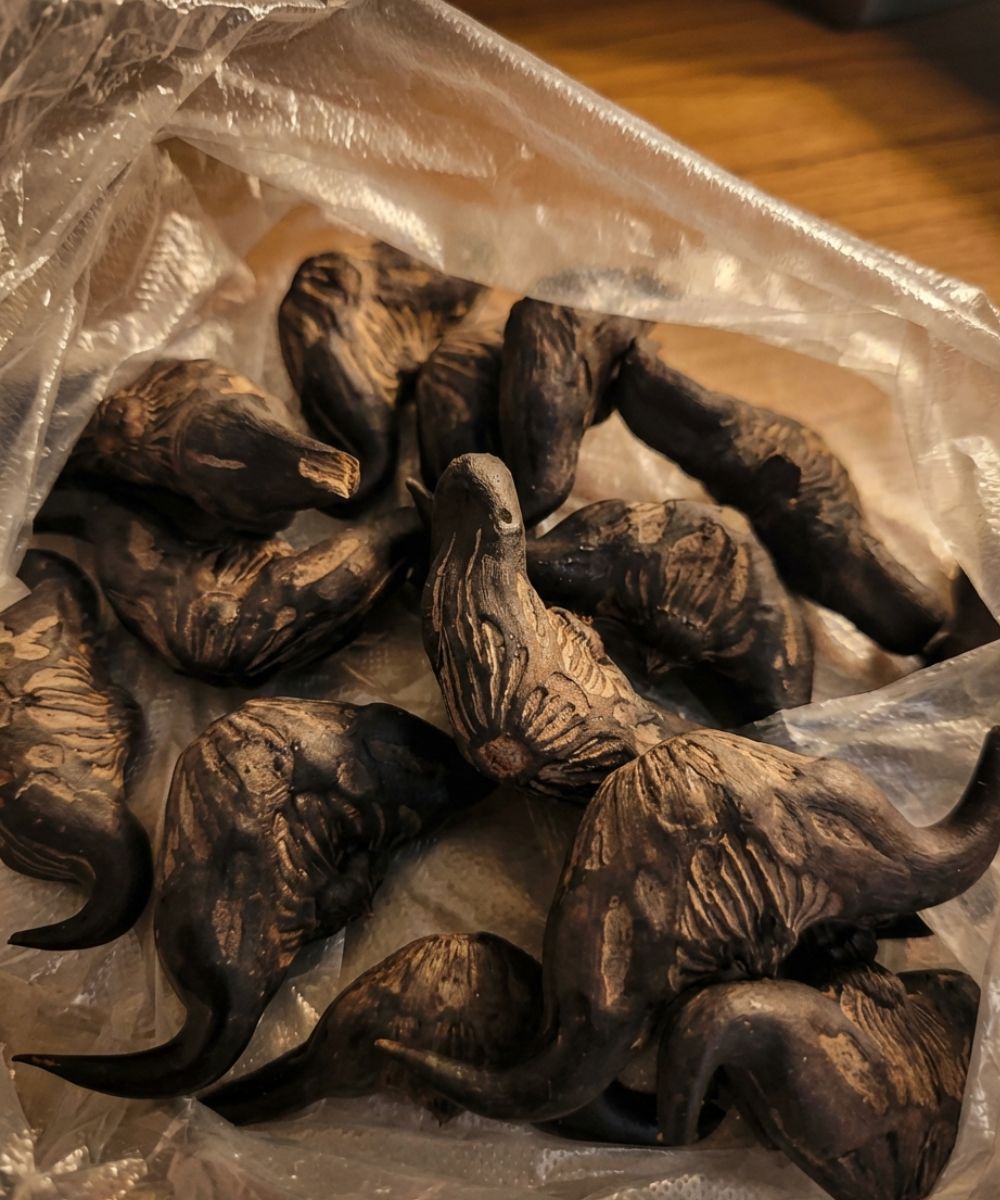
Your body has built-in warning systems.
If a wild root tastes extremely bitter, causes tingling, numbness, or a sharp sensation on the tongue, do not continue eating it—even if someone tells you “that’s normal.”
These sensations often indicate:
- Alkaloids or glycosides
- Natural defense chemicals meant to deter animals
- Neurotoxic compounds
- Masking the taste with cooking or spices does not make it safe.
5. You Belong to a High-Risk Group

Even roots considered “safe” for some people can be dangerous for others. You should never eat wild forest roots if you are:
- Pregnant or breastfeeding
- A child or elderly person
- Living with liver, kidney, or digestive disease
- Taking long-term medication
Traditional remedies are not standardized. Dosage varies wildly, and what one person tolerates may seriously harm another.
Final Thoughts
Wild forest roots are part of human history—but history also includes countless cases of poisoning, illness, and loss caused by them. “Natural” does not mean “safe,” and tradition does not replace medical knowledge.
