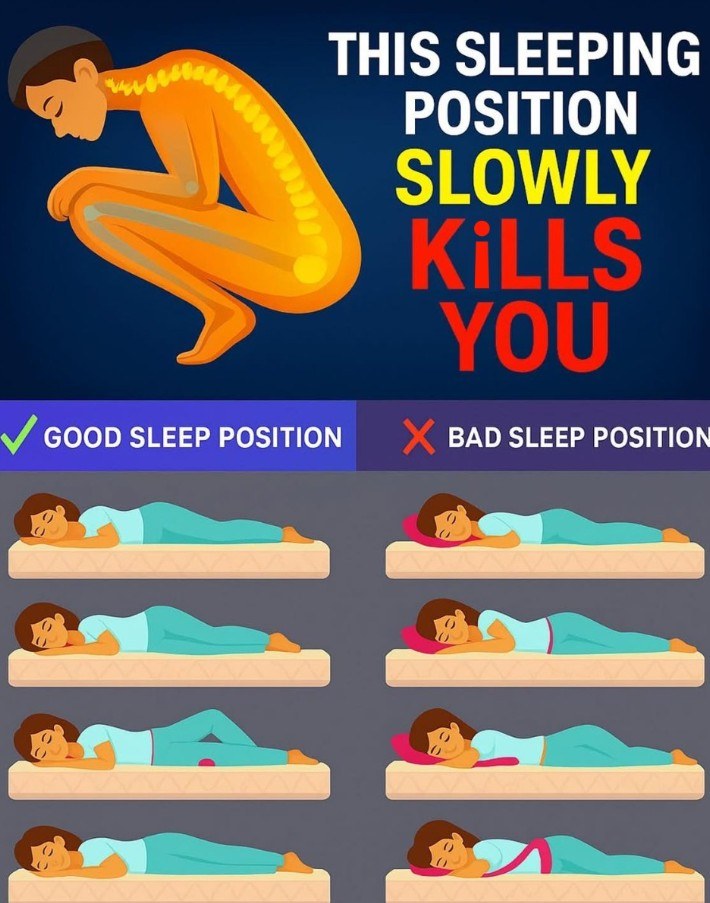
Ever wake up feeling sore, stiff, or not quite yourself? The culprit might be your sleeping position.
Side-sleeping is popular, but it’s not perfect. Without proper support, it can put pressure on your shoulders and hips, leading to misalignment or joint pain. Research shows it can even compress nerves, causing numbness or tingling. Seniors who sleep on thin mattresses or use flat pillows are especially at risk. The good news? A simple pillow between your knees can help align your hips and ease the strain.
Insight 3: The Risks of Sleeping Flat on Your Back
Sleeping flat on your back—known as supine sleeping—can be risky if your pillow or mattress doesn’t provide proper support. It may worsen sleep apnea by allowing your tongue to block your airway and can also stress the lower back if the mattress is too soft. To make this position safer, place a small pillow under your knees and use a supportive head pillow that keeps your neck neutral.
How to Improve Your Sleep Posture
You don’t need to overhaul your entire routine—start with small, gradual adjustments:
- Stomach-sleepers: Try transitioning to side-sleeping by hugging a pillow.
- Side-sleepers: Use a medium-firm mattress and a knee pillow for hip alignment.
- Back-sleepers: Place a pillow under your knees to reduce spinal pressure.
These tweaks help maintain a neutral spine and relieve tension. Avoid switching positions overnight—test new postures for short periods until they feel natural. And if you have sleep apnea or chronic pain, check with your healthcare provider before making changes.
Why Sleep Posture Matters
Better posture can improve your sleep quality, energy, and mobility. Some older adults report reduced stiffness and more restful mornings after improving their sleep setup. Good sleep also supports muscle recovery and heart health, which become increasingly important with age. Remember, it’s not about achieving a “perfect” position—just one that helps your body rest and recover naturally.
