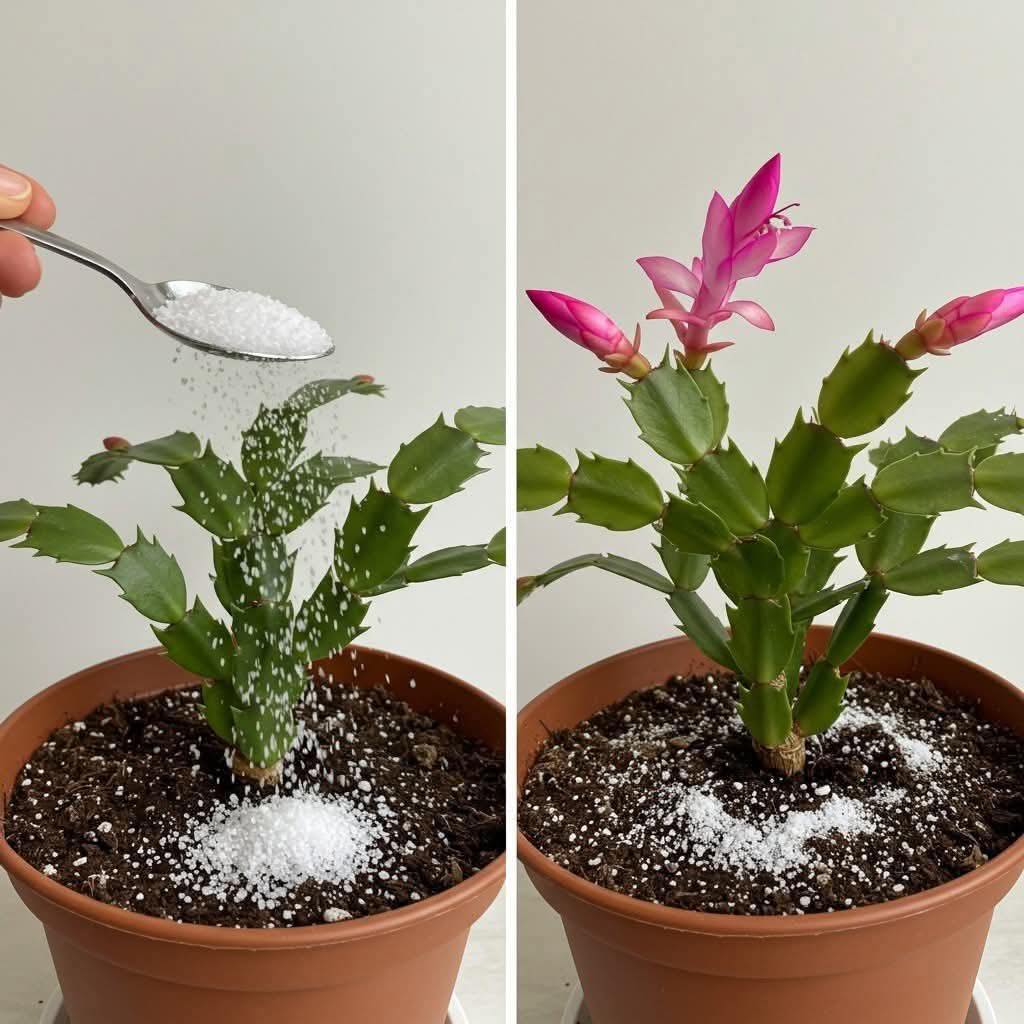
Epsom salt is not a salt in the culinary sense, but a naturally occurring mineral compound consisting of magnesium and sulfate. Both of these elements play critical roles in plant health:
Magnesium is central to chlorophyll—the green pigment in leaves that allows plants to convert sunlight into energy through photosynthesis. Without sufficient magnesium, leaves turn pale or yellow, photosynthesis slows, and the plant’s growth and flowering potential decrease.
Sulfur is equally important. It contributes to the formation of amino acids, enzymes, and vitamins. Sulfur also supports robust root development and improves nutrient uptake from the soil, ensuring that other essential minerals are effectively absorbed.
Houseplants grown in containers often suffer from nutrient imbalances because the soil volume is limited. Over time, repeated watering can leach minerals from the potting mix. Without supplementation or refreshing the soil, deficiencies accumulate, leaving your plants struggling.
Magnesium deficiency is particularly common in flowering plants such as roses, orchids, begonias, and geraniums. Classic symptoms include yellowing between the veins of leaves (interveinal chlorosis) and a noticeable reduction in blooms. This is where Epsom salt comes to the rescue, supplying readily available magnesium and sulfur in a form that plants can absorb immediately.
Why Fall Is the Perfect Time for Epsom Salt:
While plants benefit from Epsom salt throughout the year, fall is an especially ideal time to introduce this supplement. As daylight hours shorten, indoor flowers need extra support to continue photosynthesizing efficiently. Magnesium strengthens the plant’s ability to capture and convert sunlight, while sulfur boosts overall metabolic processes. Together, they help the plant maintain vibrant foliage and prepare it for potential flowering, even when external conditions are less than optimal.
Using Epsom salt during fall can help your houseplants:
Maintain greener, healthier leaves by supporting chlorophyll production.
Strengthen stems and roots, allowing the plant to support existing growth and future blooms.
Encourage flowering potential, helping plants produce vibrant blooms despite reduced light.
Correct nutrient deficiencies in a quick and affordable way, especially in potted plants where soil depletion occurs faster.
How to Use Epsom Salt for Indoor Flowers:
Continued on next page
