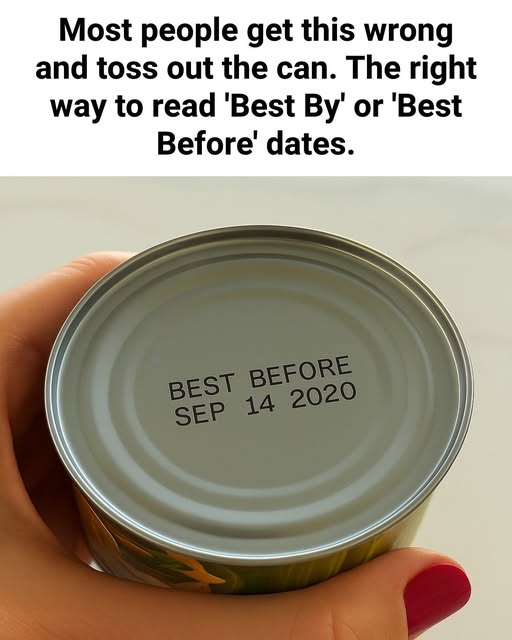
Despite their impressive shelf life, canned goods can still become unsafe if damaged. Certain warning signs should never be ignored:
- Bulging cans: This can indicate gas buildup from bacterial activity — a classic sign of botulism contamination.
- Leaking cans: Any moisture, especially if sticky or discolored, means the seal has been compromised.
- Deep rust or dents along the seams: These can break the airtight seal and allow bacteria in.
- Foul smell or fizzing upon opening: Gas release or a bad odor means bacteria have been at work — throw it away immediately.
The biggest concern with damaged cans is Clostridium botulinum, a bacteria that produces a deadly toxin causing botulism. While rare, botulism can be fatal even in small amounts. It thrives in oxygen-free environments — exactly what a compromised can provides. If a can is bulging, leaking, or hissing unnaturally when opened, don’t risk it.
How to Store Canned Goods Safely:
To maximize shelf life and safety:
- Keep them cool and dry. Avoid garages, sheds, or attics where temperatures fluctuate.
- Rotate stock. Follow the “first in, first out” rule — use older cans before newer ones.
- Check periodically. Once or twice a year, inspect for rust, dents, or swelling.
- Avoid storing near heat sources. Prolonged exposure to high temperatures accelerates deterioration.
If stored correctly, even older cans can remain safe for decades — though taste and color may fade.
The Problem With Food Waste:
Continued on next page
