Why It Happens: The Science of “Migrating” Hair
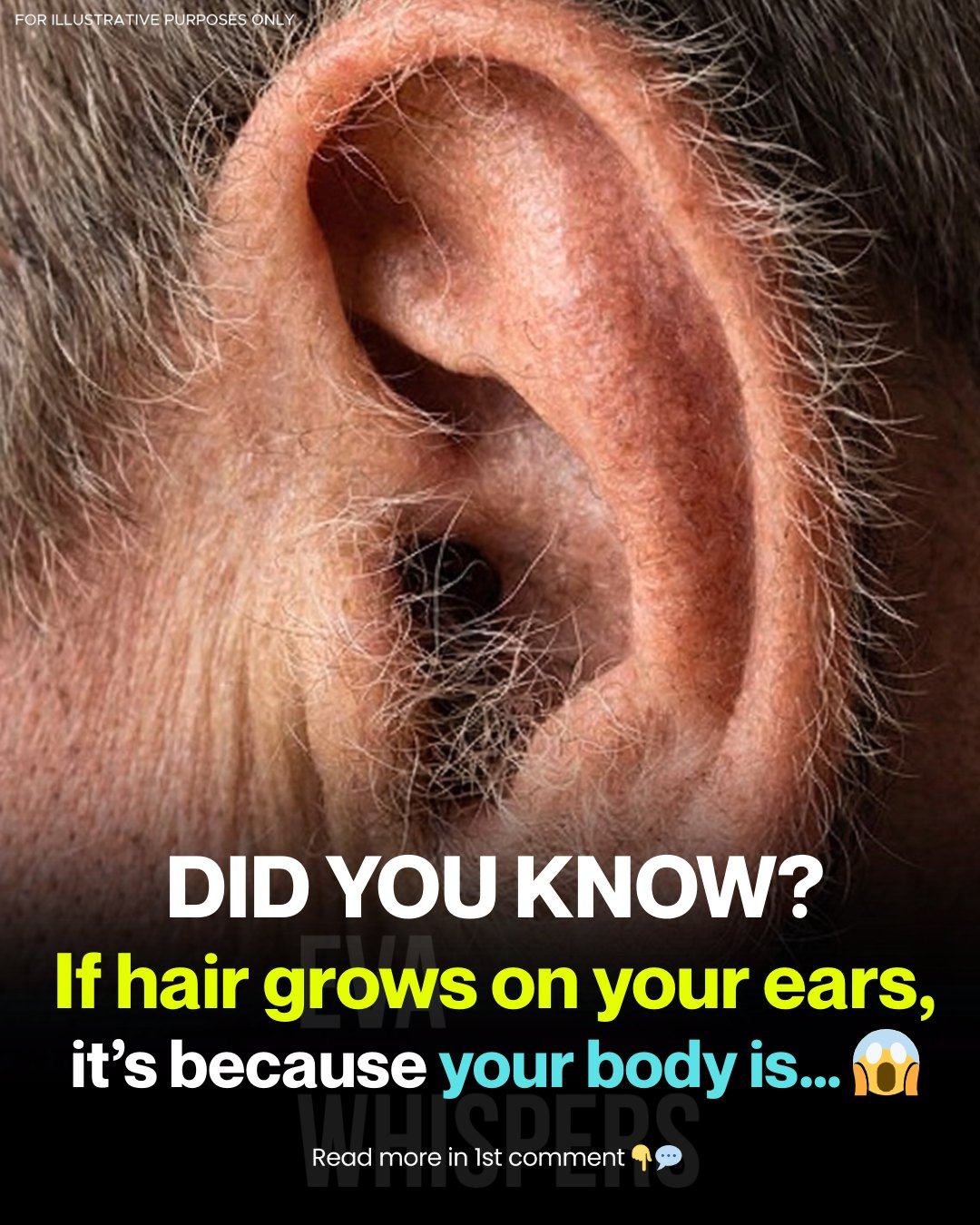
It is a common joke that hair “moves” from the scalp to the ears and nose as we age. Biologically, this isn’t far from the truth. Almost everyone has fine, vellus hairs on their ears, but several factors trigger them to become darker and coarser.
- The Testosterone Paradox: The primary driver is androgens, specifically testosterone. As you age, hair follicles in the ears, nose, and eyebrows often become more sensitive to these hormones. While this same sensitivity causes scalp follicles to shrink (leading to baldness), it signals ear follicles to go into overdrive.
- Extended Growth Cycles: Aging changes the “biological clock” of a hair follicle. Hairs stay in the growth phase longer and shed less frequently, resulting in hair that is longer, thicker, and more wiry.
- Thinning Skin: As the skin around the ear loses elasticity and thins, existing hair becomes more prominent and visible against the surface.
Continued on next page
