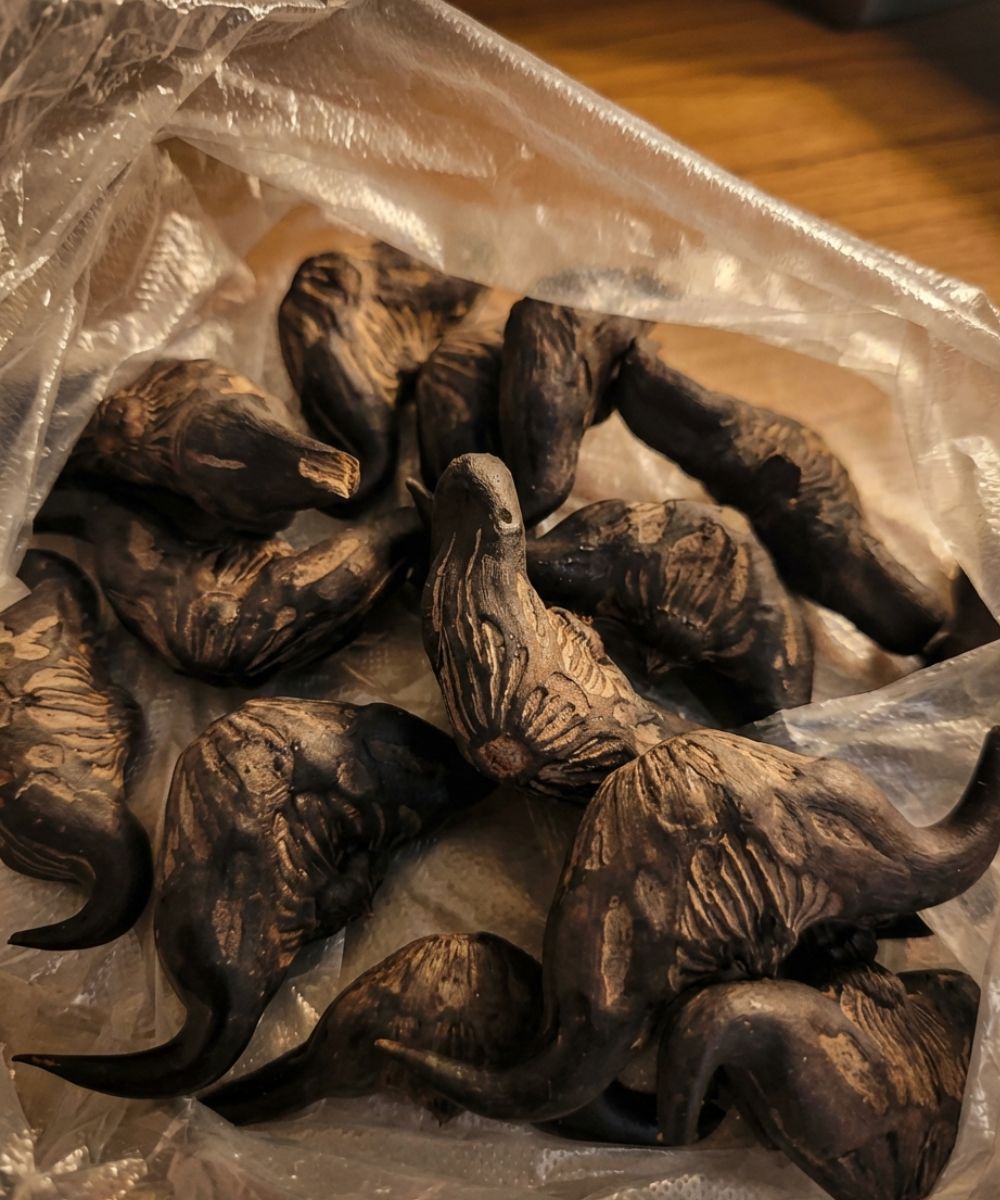
This is where most accidents happen.
Many edible and poisonous roots look almost identical. A small difference in shape, color, or internal texture can mean the difference between food and poison. If you cannot identify the plant with absolute certainty, do not eat it.
Traditional knowledge often includes:
- Exact harvest season
- Soil type
- Preparation methods passed down over generations
- Without that full knowledge, guessing is extremely risky.
3. It Requires “Special” or Extreme Preparation

If you’re told the root must be soaked for days, boiled multiple times, discarded water repeatedly, or mixed with ash, lime, or salt to “remove toxins,” that is a serious warning sign.
While some roots can be detoxified through careful preparation, one small mistake—shorter soaking time, wrong temperature, or improper slicing—can leave enough toxins to cause:
- Vomiting and diarrhea
- Nerve damage
- Liver or kidney stress
- Modern medicine sees many poisoning cases caused by “almost correct” preparation.
4. It Has a Bitter, Sharp, or Numbing Taste
Continued on next page
